
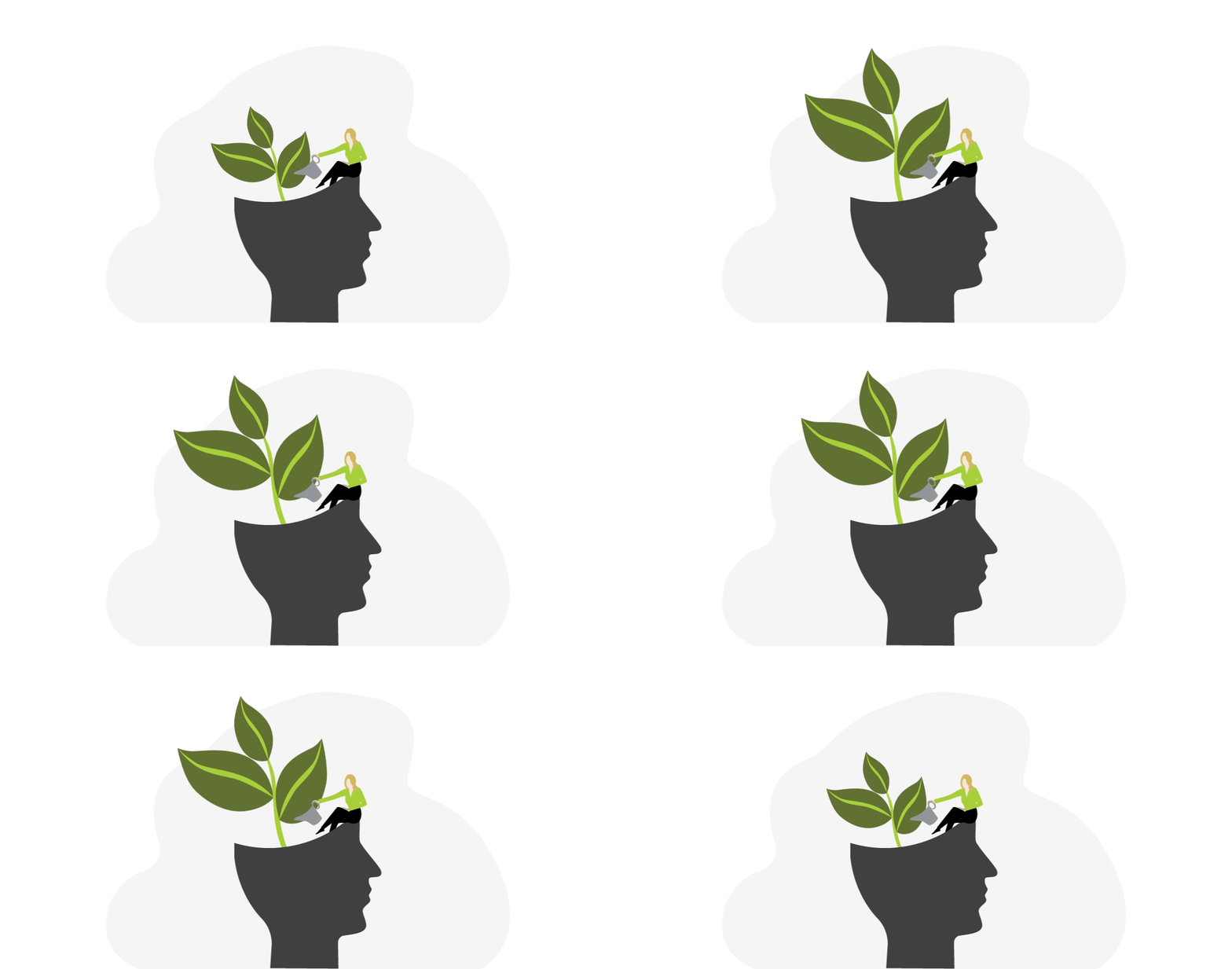
Building Habits Is the New Soft Launch
There are many overhyped things in life: collagen gummies, 10-step morning routines, and, of course, any trend that requires you to become a different person by Tuesday.
Let’s all take a breath.
But habits? Turns out, building habits is a lot like building a better work ethic. It’s not flashy, but it works.
Now, I know what you’re thinking: Habits? Groundbreaking. But stick with me. Because while the concept isn’t new, the way we build and break them often falls into the same trap as every other Pinterest-y life hack: overcomplicated and under-executed.
Let’s start with what a habit is. In its simplest form, a habit is just your brain running a little shortcut loop.
- First, there’s a cue (you wake up).
- Then, a routine (you reach for your phone and immediately start scrolling through emails).
- And finally, a reward (a fleeting illusion of productivity before the existential dread kicks in).
It’s a pattern, and the more often you follow it, the easier it becomes to do again. And again. And again. Until suddenly, it’s second nature, and you’re either thriving… or stuck.
What does building habits have to do with your work?
Pretty much everything.
The best work doesn’t happen in big, dramatic bursts. It happens because you built the kind of habits that support consistency, creativity, and follow-through. You don’t magically write better copy by waiting for inspiration to strike. You do it by creating space to think. You don’t become more organized by downloading one of those fancy digital planners. You do it by actually using it.
Every day.
And here’s the kicker: habits don’t magically form in 21 days. That’s a myth. (Sorry, internet.) In reality, it depends on the behavior, your environment, and your overall willingness to do the thing even when you’d rather scroll or nap. James Clear, author of the widely-loved (and actually helpful) Atomic Habits, says it best: “You do not rise to the level of your goals. You fall to the level of your systems.” Translation? You can dream big, but your habits will quietly determine whether you follow through.
Here’s where it gets tricky. If you’re not careful, your habits can start to feel like busywork with a side of guilt. You know the ones: the morning routine you read about in an article once and forced into your life despite hating every second of it. Or the weekly check-in task you keep on your calendar, even though you haven’t actually used it for anything useful since 2022. Habits are only helpful when they truly serve you.
So instead of romanticizing your habits or overhauling your entire routine in one go, try this:
Anchor a new habit to something you already do (like reviewing your calendar while you drink your morning coffee).
Keep the behavior simple. Think “write down 3 priorities” instead of “restructure your life every morning.”
And give yourself something to look forward to (yes, coffee counts as a reward).
Ultimately, the best habits are the ones that fade into the background. Not because they’re unimportant, but because they’ve become part of how you move through your day with a little more ease and a little less chaos.
So yes, habits live up to the hype, but only when they’re yours. Tailored to your goals, your energy, your reality. And if they’re not? You have full permission to change them. Because habits should work for you, not the other way around.
Ready to build better habits (and ditch the ones that don’t spark joy)?
Start small. Stay curious. And remember: progress is made in the day-to-day, not the someday. If you need a cheerleader, an accountability buddy, or just someone to remind you not to check email before coffee… I’m only an email away.
related blogs you might enjoy

What to Know Before Running Meta Ads
Meta and I have what I’d call a healthy love-hate relationship. Some days, everything works…

Meetings Aren’t the Problem. Bad Meetings Are.
Raise your hand if you’ve ever sat through a meeting that could have been an…
Google Search Is Having an AI-Dentity Crisis
I was going to count how many times I said “change” in the blogs I’ve…