
Building Goals That Support Real Life
Every January, the internet collectively decides there is exactly one correct way to set goals. It usually involves a fresh planner, a 5 a.m. wake-up call, and a personality overhaul that magically sticks by the end of the month.
By February, we’re tired, mildly disappointed, and pretending we never made those goals in the first place.
If there’s one thing I’ve learned, it’s that goals don’t work unless they actually work for you. And for me, that means blending personal and business goals, because the person I am outside of work directly impacts how I show up at work. So instead of setting myself up for failure with a list of unrealistic resolutions, I’ve started approaching goals a little differently; more flexible, more human, and a lot more integrated.
Instead of forcing yourself into someone else’s system, here are a few goal-setting approaches that actually leave room for real life.
Vision Boards (But Make Them Useful)
Vision boards get a bad rap, mostly because people think they’re just about dream houses and beach vacations. They don’t have to be. A good vision board isn’t about stuff; it’s about direction.
How to do it:
- Pull images, words, or phrases that represent how you want your year to feel… calm, focused, creative, balanced.
- Include personal and professional visuals: workspaces, travel, time off, relationships, routines.
- Keep it somewhere visible (digital counts). If you forget it exists, it’s not doing much.
The point isn’t prediction. it’s direction.
Year Bingo (Yes, Really)
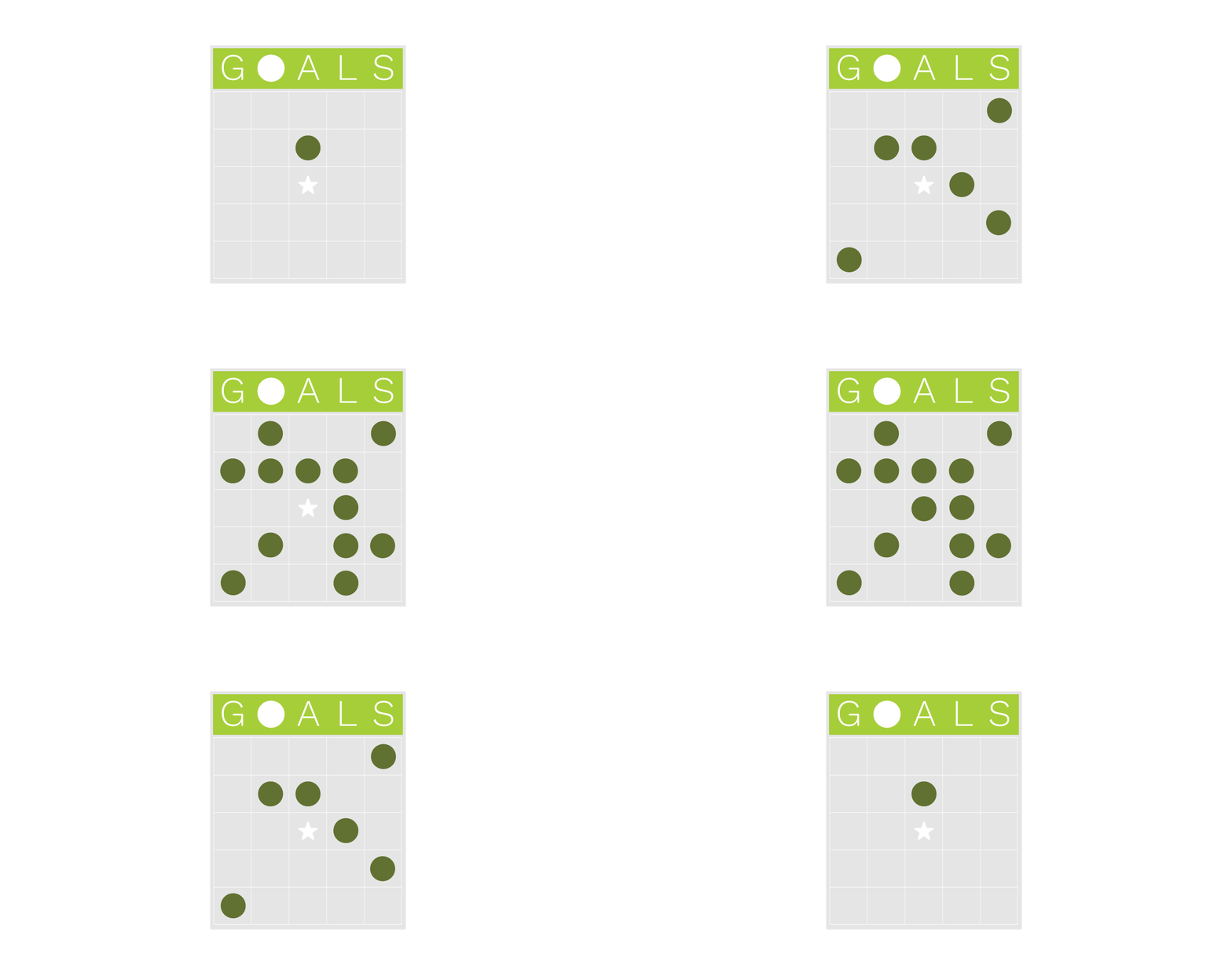
If traditional goal lists make you feel boxed in, Year Bingo might be your new best friend. This is the approach I’m most excited about this year because it gives you structure without pressure, and progress without guilt.
Instead of a rigid list, you create a bingo card filled with things you’d like to do, try, or accomplish over the course of the year. The magic is in the mix. Some squares are big (launch something new, take a real vacation). Others are intentionally small (finish a book, learn a new tool, say no more often).
How to do it:
- Create a simple 5×5 grid (paper, Notes app, anything works).
- Fill it with a blend of personal and professional goals.
- Don’t assign deadlines. The goal isn’t speed; it’s momentum.
- Celebrate completed squares, even if you never get “bingo.”
What I love most about this method is that it mirrors real life. Some goals happen early. Others surprise you. And some might not happen at all… which is totally fine. You’re still moving forward, just not forcing it. You don’t have to “win” bingo. You just have to make progress.
The Keep / Stop / Start List
This one is deceptively powerful and wildly underused. Instead of only asking what you want to add this year, ask:
How to do it:
- Keep: What’s working and worth protecting?
- Stop: What’s draining your time or energy?
- Start: What’s missing that could make things better?
This applies to work habits, routines, and even personal expectations you’ve outgrown. Sometimes the biggest progress comes from subtraction.
Habit Stacking (Because Motivation Is a Liar)
Big goals rarely stick. Small habits do. The idea is simple: attach a new habit to something you already do.
Examples:
- Review your priorities while drinking your morning coffee.
- Stretch while waiting for a Zoom meeting to start.
- Jot down tomorrow’s to-do list when you shut down your laptop.
Small habits, repeated consistently, beat ambitious plans that never get off the ground. The easier it is, the more likely it becomes part of your day.
Quarterly Goals Instead of Annual Ones
A year is a long time. A quarter feels manageable. Instead of setting massive year-long goals, break them into 90-day chunks. It gives you:
- Clear focus
- Built-in reset points
- Permission to adjust when life changes (because it will)
Quarterly goals allow momentum without burnout, which, frankly, is the goal. Progress doesn’t have to be linear to be real.
There is no prize for setting goals the “right” way. The only thing that matters is choosing a system that supports the life and work you’re actually trying to build. Try a few approaches. Ditch what doesn’t work. Keep what does. Progress doesn’t come from perfection… it comes from intention, consistency, and a little grace along the way. And if your version of success looks different than someone else’s? Good. That’s kind of the point.
Start small. Stay flexible. And if you need a little accountability, encouragement, or someone to remind you that goals can be both ambitious and human, you know where to find me.
related blogs you might enjoy

Meetings Aren’t the Problem. Bad Meetings Are.
Raise your hand if you’ve ever sat through a meeting that could have been an…

Google Search Is Having an AI-Dentity Crisis
I was going to count how many times I said “change” in the blogs I’ve…
The Lost Art of Finishing Things
Somewhere in my house is a half-finished crochet scarf. I started it in January with…